Where the Coverage Thins
France reimburses a remarkable share of healthcare costs, but the 70% rule that governs a standard GP visit does not extend evenly across all care. Three areas stand out where patients have historically paid the most out of pocket: dental work, glasses and contact lenses, and mental health.
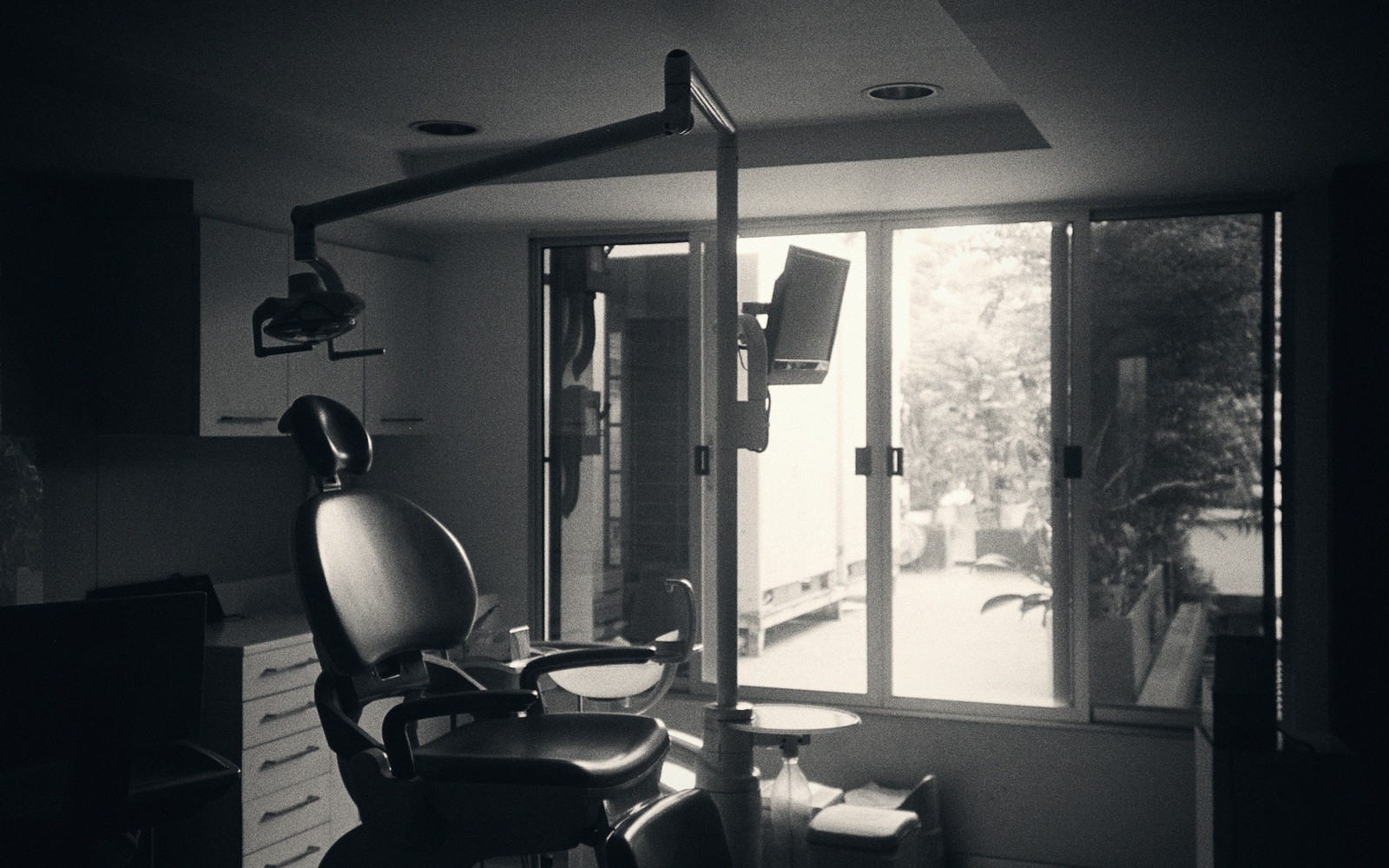
Dentistry is the sharpest example. The state sets a tariff for basic procedures — a filling, an extraction — but reimbursement is calculated on an official base rate that hasn't kept pace with what dentists actually charge. A ceramic crown or a dental implant can cost several hundred euros, and the portion the Assurance Maladie (the public insurer) returns is a small fraction of that. A mutuelle fills some of the gap, but coverage varies enormously between contracts, and implants remain largely a private expense for most households.
Optical care followed the same logic for decades. Frames and lenses were almost entirely at the patient's charge, with symbolic state reimbursement. A reform phased in from 2020 — the 100% Santé scheme — changed this for a defined range of glasses, dental prostheses and hearing aids. Providers offering equipment within the regulated range must charge no extra fees, and the combination of public cover and mutuelle pays the full bill. In practice, the 100% Santé selection is limited, and many patients still choose frames or lenses outside it and pay the difference.
Mental health has improved on paper more recently. Psychologists in private practice were not reimbursable at all until 2022, when the MonPsy programme opened access to a limited number of sessions with a network of registered psychologists. The scheme requires a GP referral and covers only a handful of sessions per year — enough for mild to moderate difficulties, critics argue, but insufficient for anything chronic or complex. Psychiatrists, being medical doctors, are reimbursed through the standard system, but waiting times in the public sector are long and private fees often run well above the capped tariff.
Underlying all three is the same structural tension: the state controls tariffs and reimbursement rates, but providers in sectors with regulated or semi-regulated pricing respond by operating partly outside those ceilings — through dépassements d'honoraires (excess fees), premium product ranges, or simply working outside the public scheme. The result is a system that is genuinely comprehensive at its core and genuinely patchy at its edges — and the edges are often the places patients need it most.