Geography Is Destiny in French Healthcare
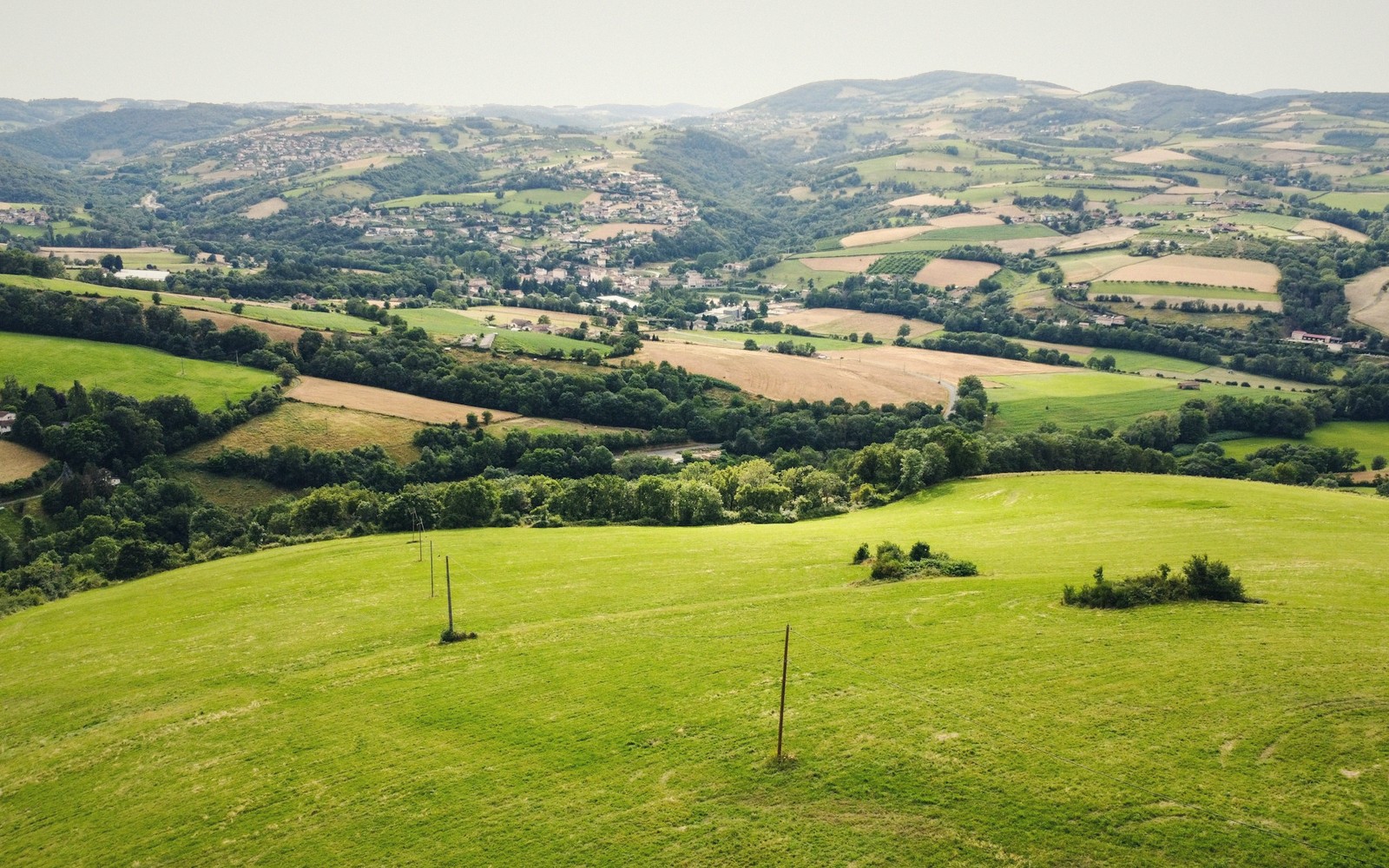
France's health system promises equal cover to everyone, yet the experience of that cover varies enormously by postcode. A patient in Lyon or Paris can often book a GP the same week; in the Creuse, the Nièvre, or stretches of Normandy, finding a médecin traitant — the registered GP whose referrals unlock full reimbursement — can take months or prove impossible. Around six million people currently have no regular GP at all, and the shortage is sharpest in the countryside.
The term medical deserts (déserts médicaux) has become shorthand for areas where doctor density falls well below national averages. Rural communes bear the heaviest burden, but some outer suburban and post-industrial zones face the same gap. When a GP retires and nobody replaces them, patients don't disappear — they pile into emergency departments, delay care, or drive an hour each way for a consultation.
Specialists compound the problem. A cardiologist or psychiatrist who might be available within a fortnight in a major city can have a six-month waiting list in a rural département. Téléconsultation has helped at the margins — remote video appointments are now reimbursed on the same basis as in-person visits — but screen access cannot replace a stethoscope or a physical examination, and older rural populations are often the least comfortable with digital tools.
The state has tried financial incentives: bonuses for doctors settling in underserved zones, maisons de santé (multi-practitioner health centres) to reduce professional isolation, and nurse practitioner schemes to extend care. Uptake has been real, but incremental. The map of who gets timely care still roughly traces the map of where people live — and that gap, for now, remains stubbornly open.