How the old model created a hidden barrier
For most of France's healthcare history, visiting a doctor meant paying the full fee at the desk — typically €30 for a standard GP consultation — and then waiting for reimbursement from the Assurance Maladie, the state health insurance system. On paper, the money came back. In practice, that gap was enough to make some people hesitate.
For households with little slack in their budget, handing over cash today in exchange for a payment that arrives days or weeks later was not a trivial ask. Research and government reports noted a real pattern: people on modest incomes delayed or skipped consultations, let conditions worsen, and ended up — at far greater cost to themselves and the system — in hospital emergency departments where they could not be turned away. A problem that a €30 GP visit might have resolved early became something far more serious, and far more expensive to treat.
There was a practical security concern too. A busy practice at the end of a working day held a meaningful amount of cash. That made GP surgeries a target. The upfront-payment model was not just inconvenient; it created genuine risk for practitioners.
How tiers payant changes the transaction
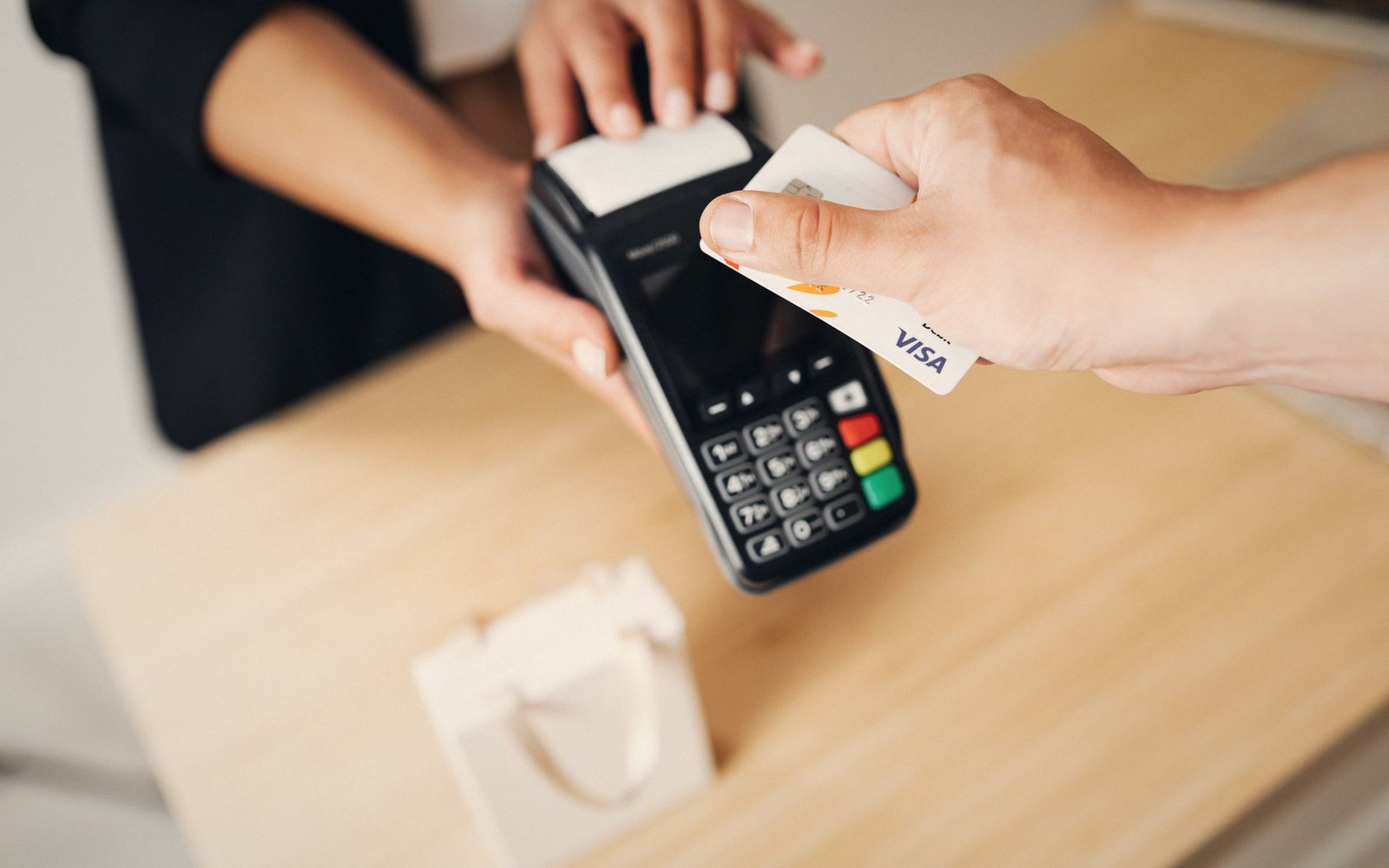
Tiers payant — literally "third-party payment" — rewires the financial transaction so the patient never handles the full fee. Instead of paying everything upfront and reclaiming it later, the patient pays only their share (or nothing at all), and the Assurance Maladie settles its portion directly with the practitioner. Where a mutuelle (top-up insurance) is also in place and connected to the system, it can cover the remainder simultaneously, leaving the patient with nothing to pay at the point of care.
The arithmetic for a standard GP visit illustrates this cleanly: the state covers around 70% of the €30 fee, a flat €2 participation forfaitaire (the patient's irreducible contribution) stays with the patient, and a good mutuelle absorbs whatever remains. Under tiers payant, the patient's out-of-pocket moment — if there is one — is small and immediate, rather than a full outlay pending reimbursement.
Before tiers payant became a wider legal requirement, it had already spread organically across significant portions of the system. Pharmacists, nurses, and medical biologists working in laboratories had long operated under arrangements that avoided upfront patient payment — covering an estimated 35% of all healthcare interactions before the reform was fully extended. That existing footprint made the logic of generalising the system hard to argue against, while also demonstrating that practitioners could administer it without collapse.
The 2016 Loi de modernisation du système de santé made tiers payant progressively mandatory for all patients on Assurance Maladie, completing what had previously been patchy and voluntary. Patients with low-income exemptions — those on the Complémentaire Santé Solidaire (CSS), the state-funded top-up scheme — had already benefited from full tiers payant for some time before the broader rollout.
What it does and doesn't solve
Tiers payant lowers the financial threshold at the moment of contact with the system, and that matters most for the people most likely to delay care. Whether someone actually sees a doctor still depends on having access to one: as medical deserts make plain, geography and GP shortages create barriers that no payment mechanism fully bridges.
Still, removing the cash-flow obstacle is not a small thing. A system that promises universal access but asks patients to float costs in the meantime is a system with a quiet contradiction at its heart. Tiers payant is France's answer to that contradiction — imperfect, still rolling out in practice, but structurally sound.